
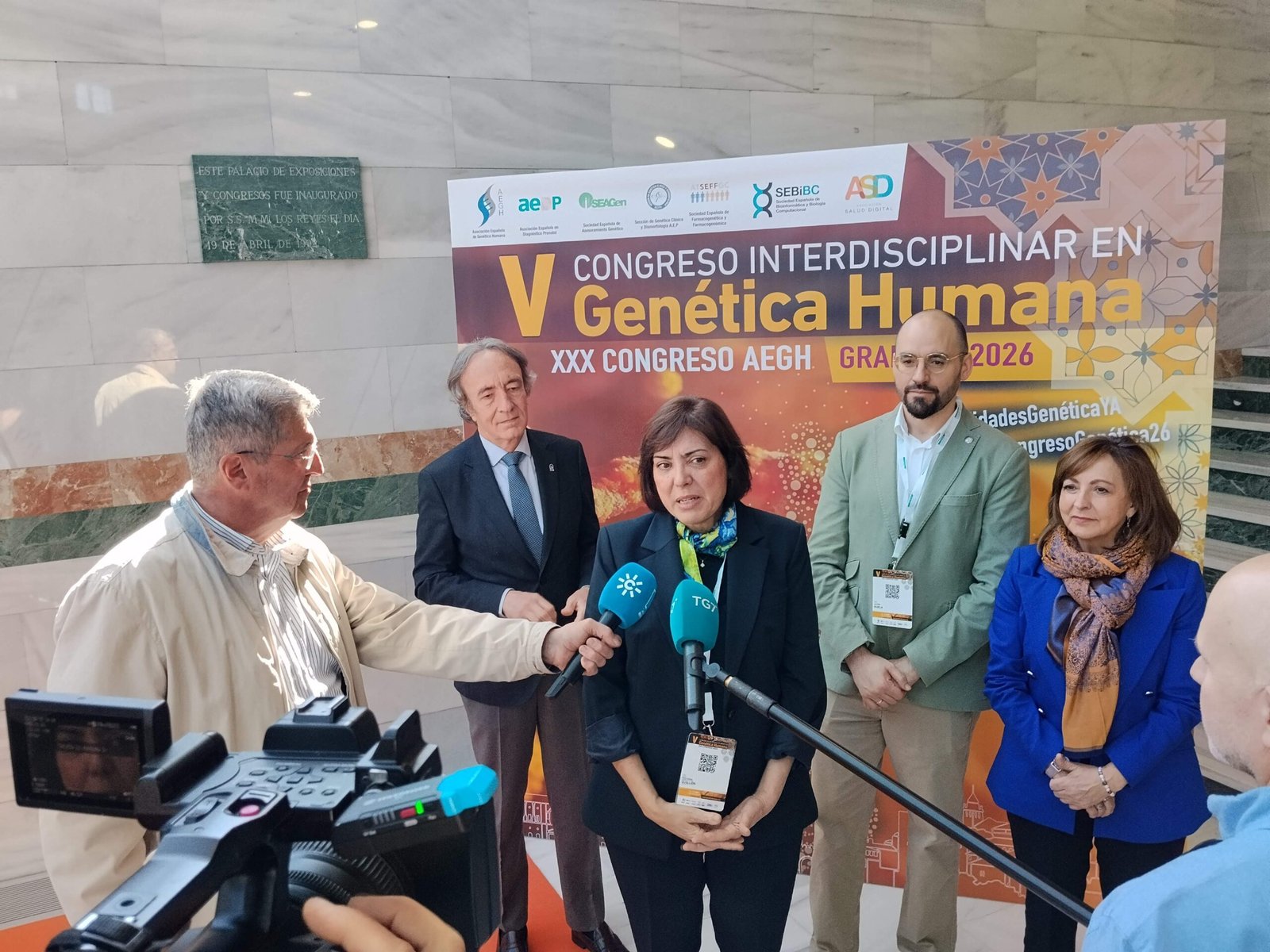
The V Interdisciplinary Congress on Human Genetics, held in the historic city of Granada this April, has officially set the roadmap for the future of precision medicine.

Bringing together over 700 experts, the event marked a pivotal shift from merely identifying genetic variants to implementing genomic data directly into clinical practice to revolutionize patient care.
A major breakthrough highlighted at the congress was the rise of Optical Genome Mapping (OGM). This high-resolution technique is transforming how we see the genome, allowing clinicians to detect complex structural variations that traditional sequencing often misses. This is a game-changer for early diagnosis, particularly for patients with rare conditions who have spent years seeking answers.
The sessions also spotlighted a new frontier in reproductive medicine. By integrating genetic insights into fertility treatments, specialists are now better equipped to address the underlying causes of infertility, offering personalized paths to parenthood. This synergy between genomics and reproductive health ensures that “personalized care” begins at the very earliest stages of life.
Artificial Intelligence acted as the digital backbone of the event. New AI-driven diagnostic platforms are now being used to prioritize “Variants of Uncertain Significance” (VUS), slashing the time between testing and treatment.
As the curtains close on Granada 2026, the message is clear: whether it’s through the lens of OGM or the algorithms of AI, genetics is now the cornerstone of 21st-century healthcare.
#HumanGenetics2026 #PrecisionMedicine #Genomics #RareDiseases #HealthTech #AEGH2026 #DNArevolution